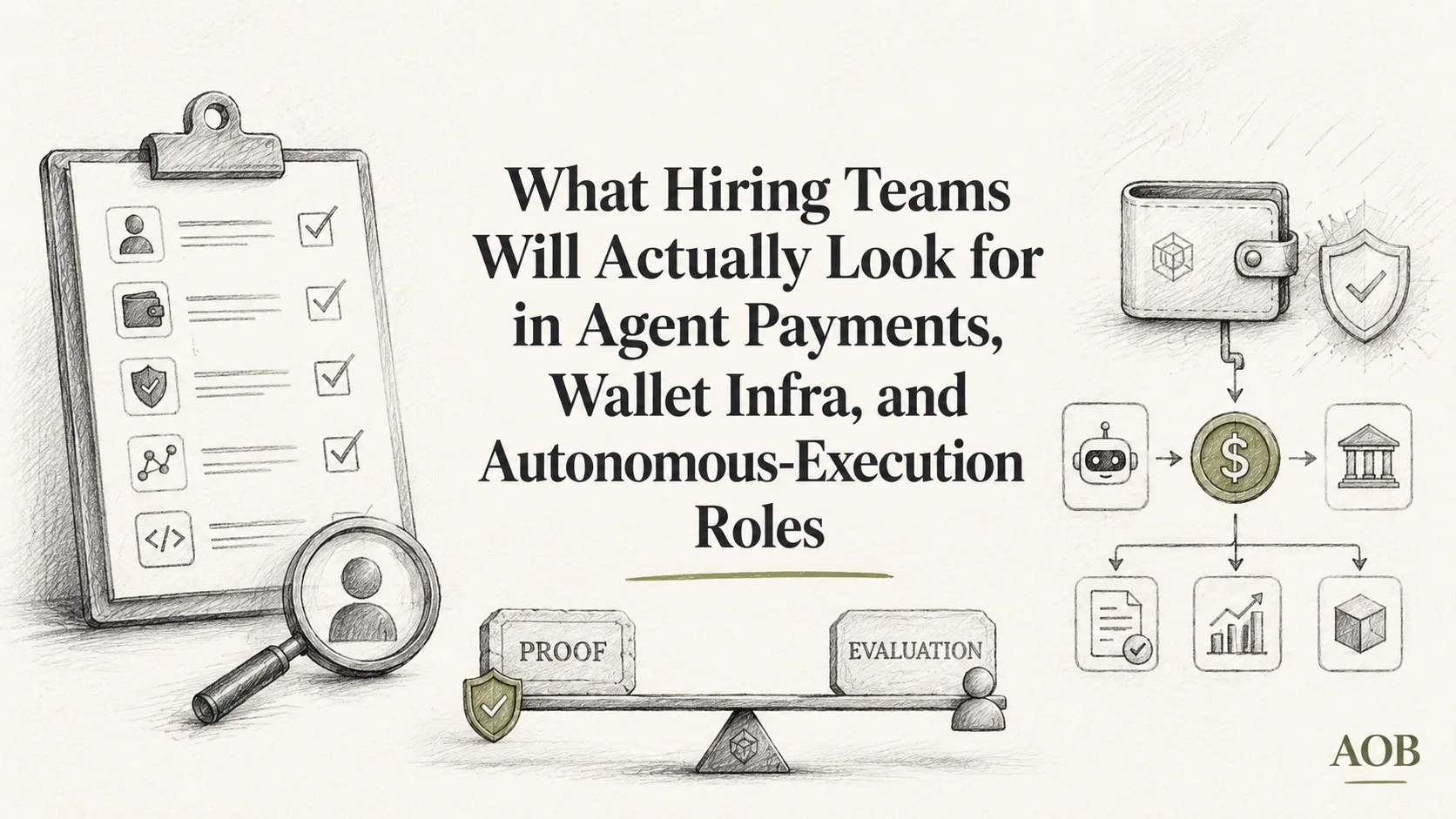

This page explains what x402, agentic wallets, AP2, MCP/A2A, and ERC-8004 mean for agentic Web3 careers. If you are trying to understand where this stack touches real jobs, hiring, and...
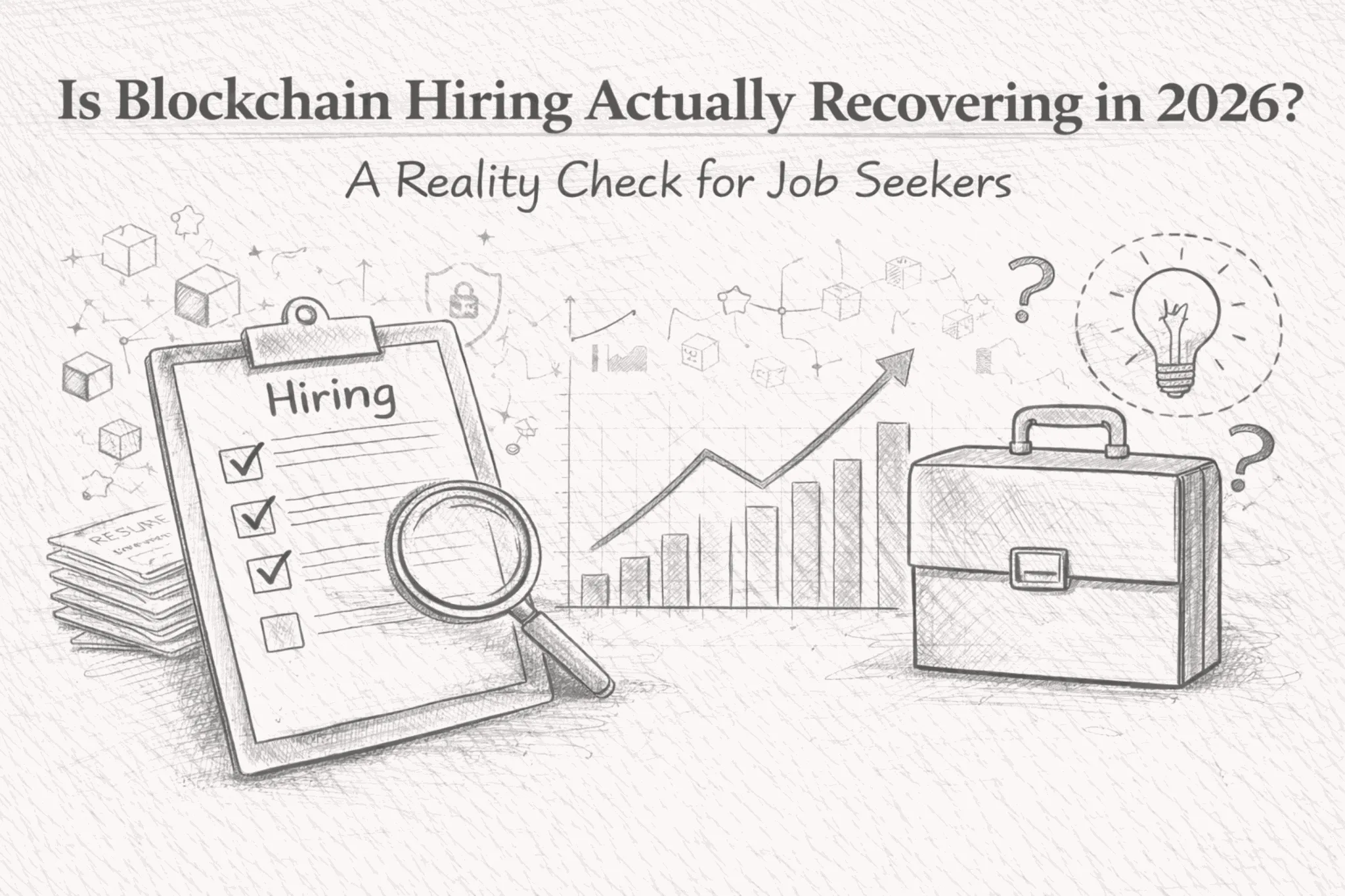
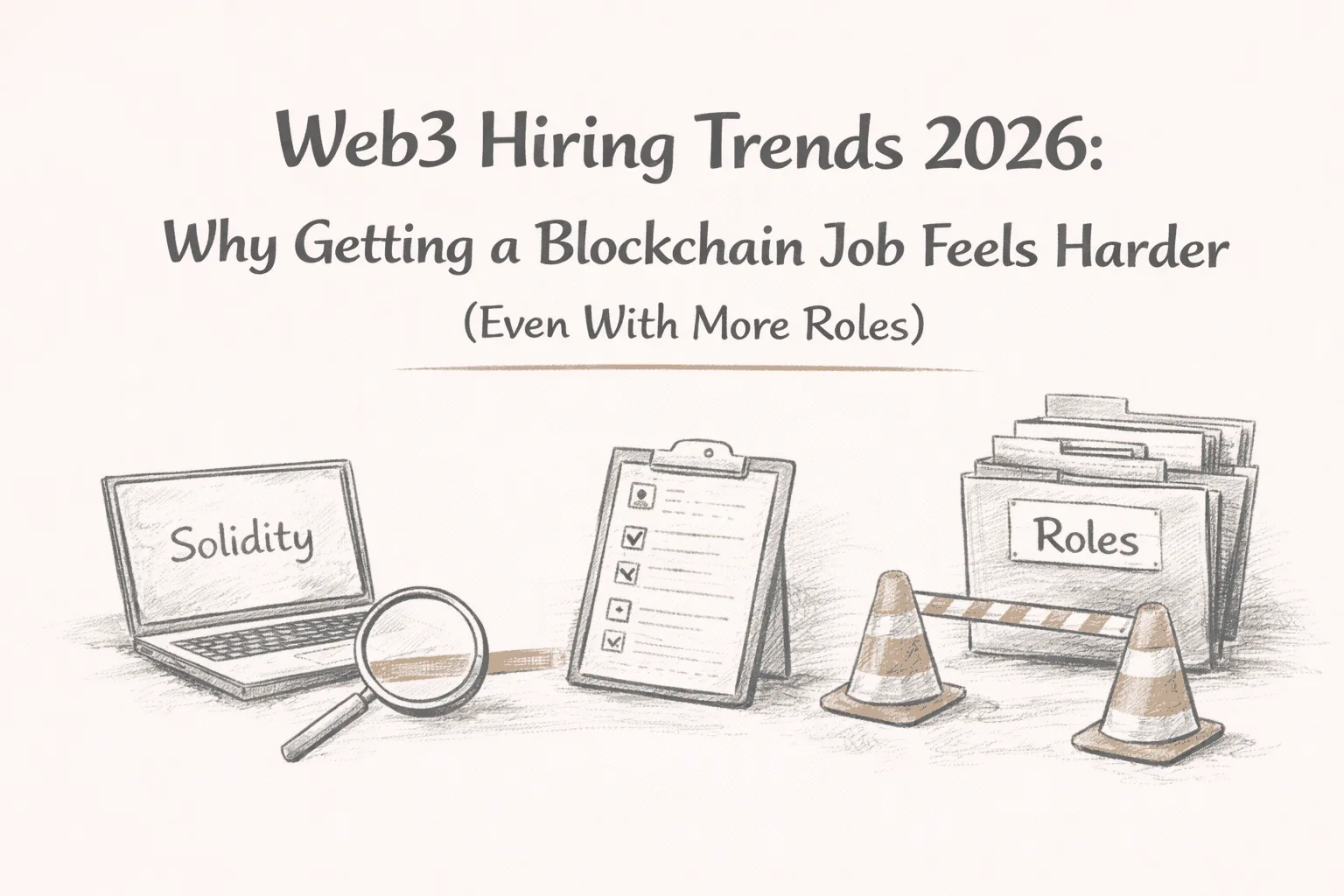
If you’re watching the Web3 job market in 2026, the answer seems confusing.
On one side, hiring clearly looks more active than it did during the downturn. More roles are...
AOB’s analysis of the 2025 Web3 hiring reset, the rise of stricter hiring filters, and why readable proof became more important than broad Web3 interest.
Editor’s note — updated May...
Editor’s note: This article was originally published for 2025 and has now been updated for 2026. The guide now focuses on NFT careers after the hype, including marketplace infrastructure, Web3...
Hiring teams do not trust “AI x Web3” claims by default.
Not because the category is fake.
Because the proof is often unreadable.
A candidate may say they worked on...
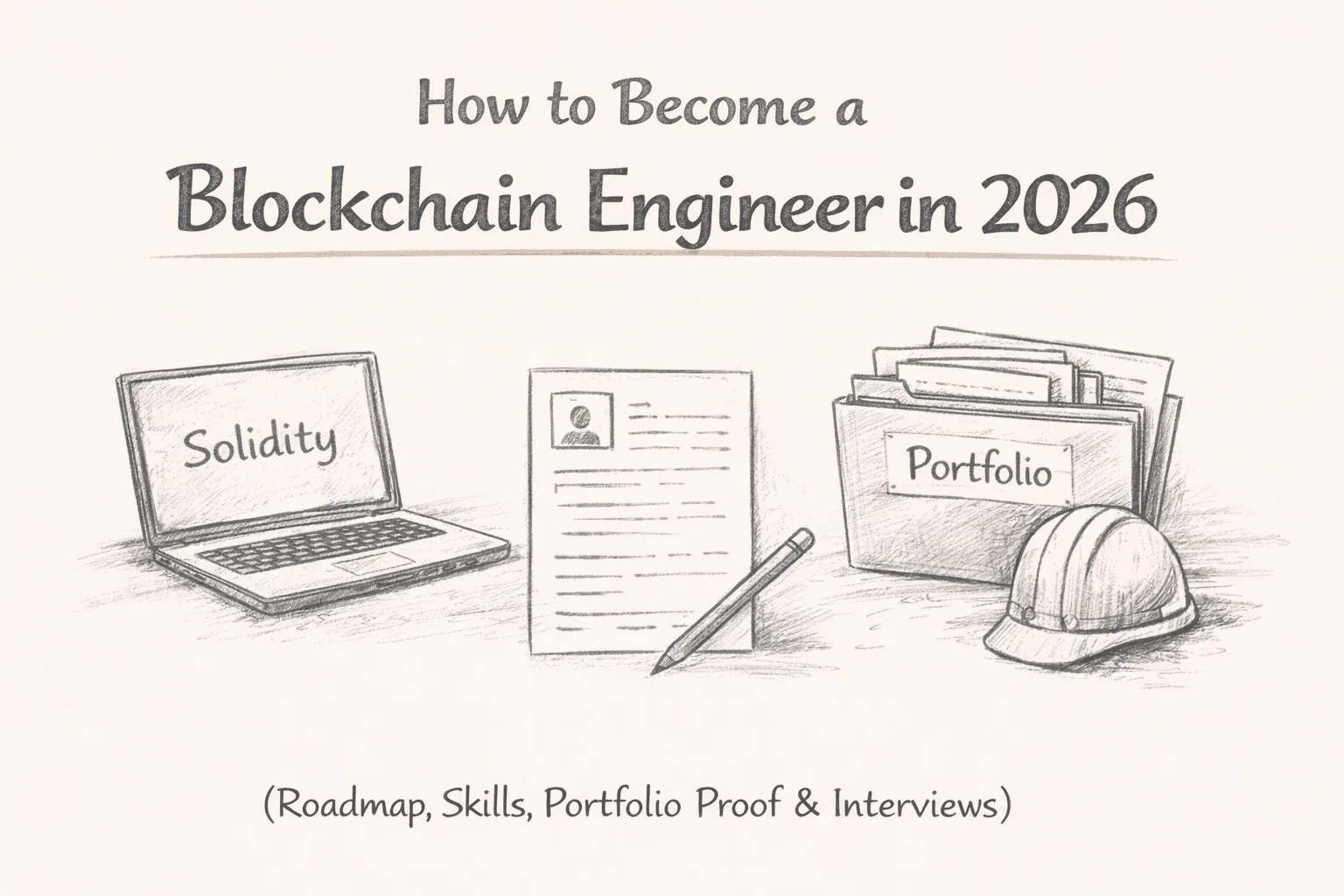
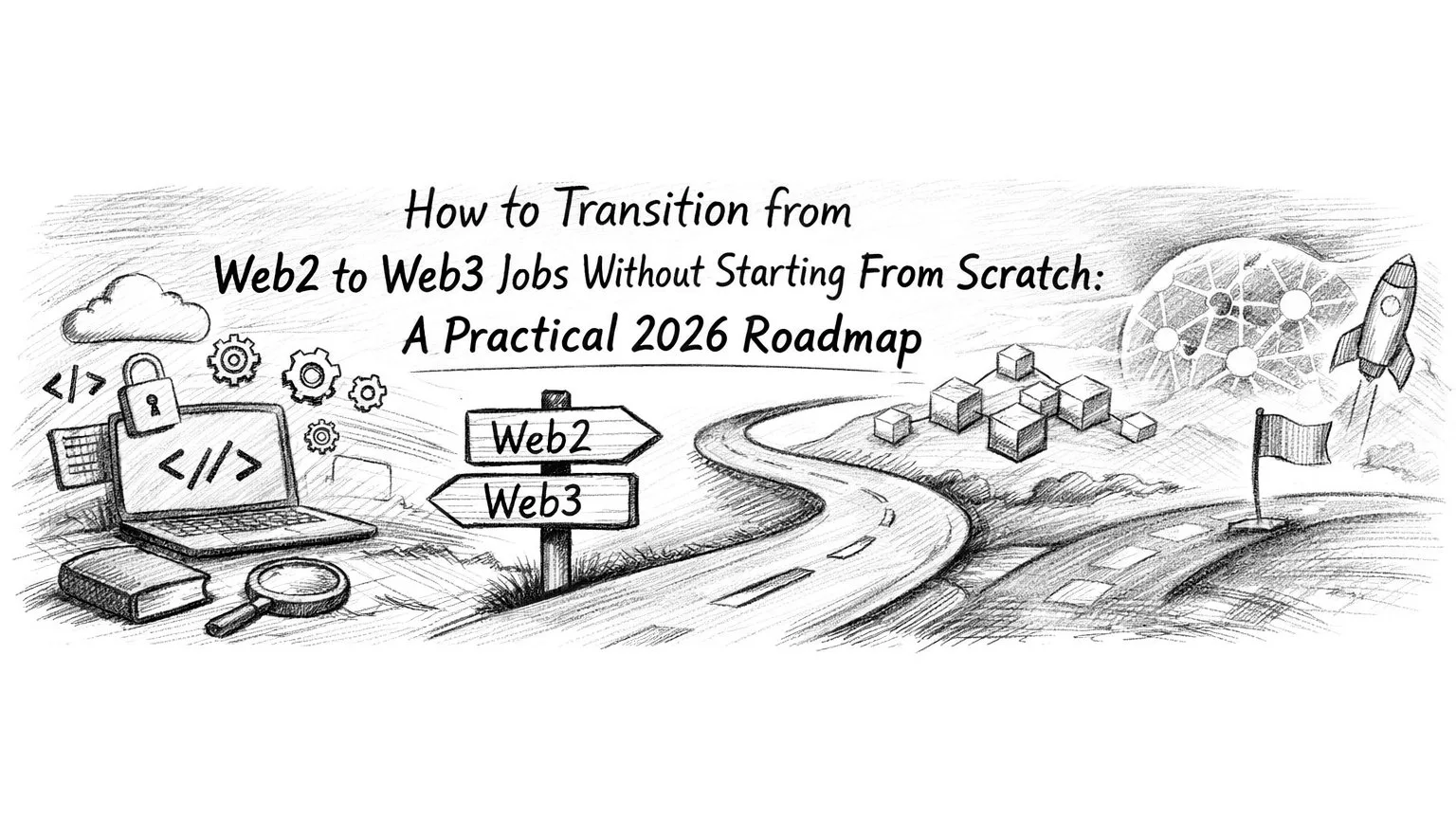
If you are trying to transition from Web2 to Web3 jobs, the hardest part is usually not learning blockchain from zero. It is figuring out which Web3 role fits your...
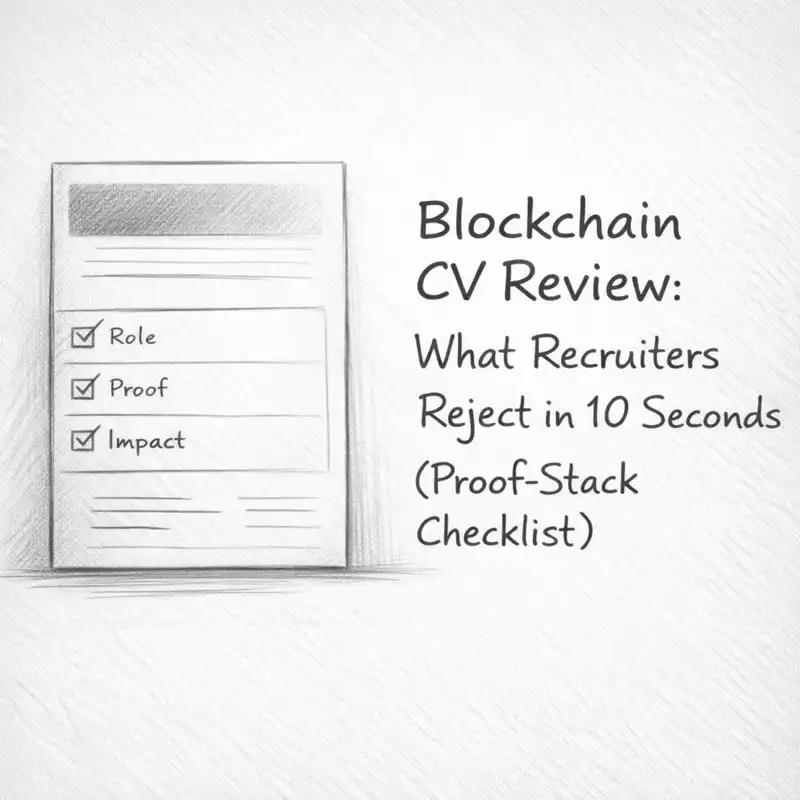
Most Web3 resumes do not fail because the candidate lacks skill. They fail because the role story breaks across four surfaces: CV, GitHub, LinkedIn, and portfolio.
A recruiter reads “Solidity...
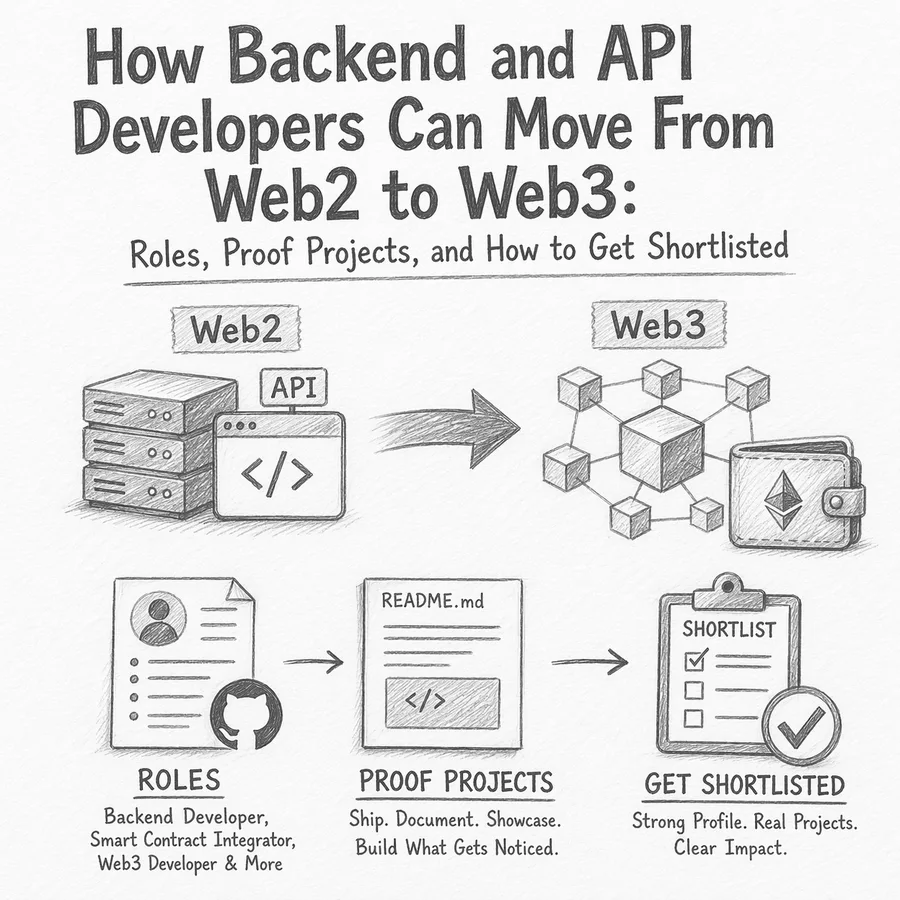
If you are a backend or API developer trying to move from Web2 to Web3, the problem is usually not that your skills are irrelevant. The problem is that your...
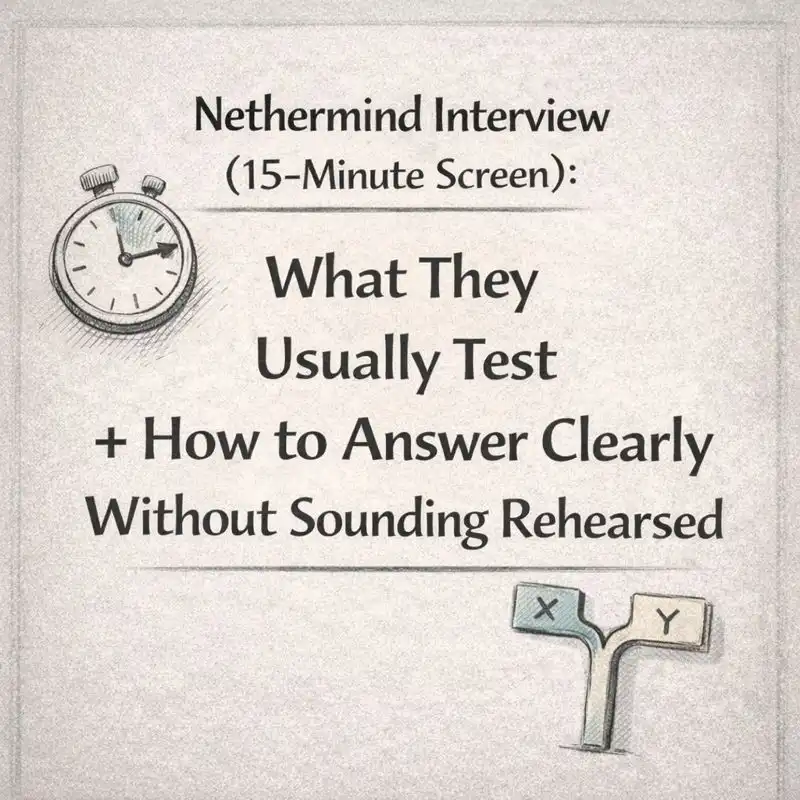
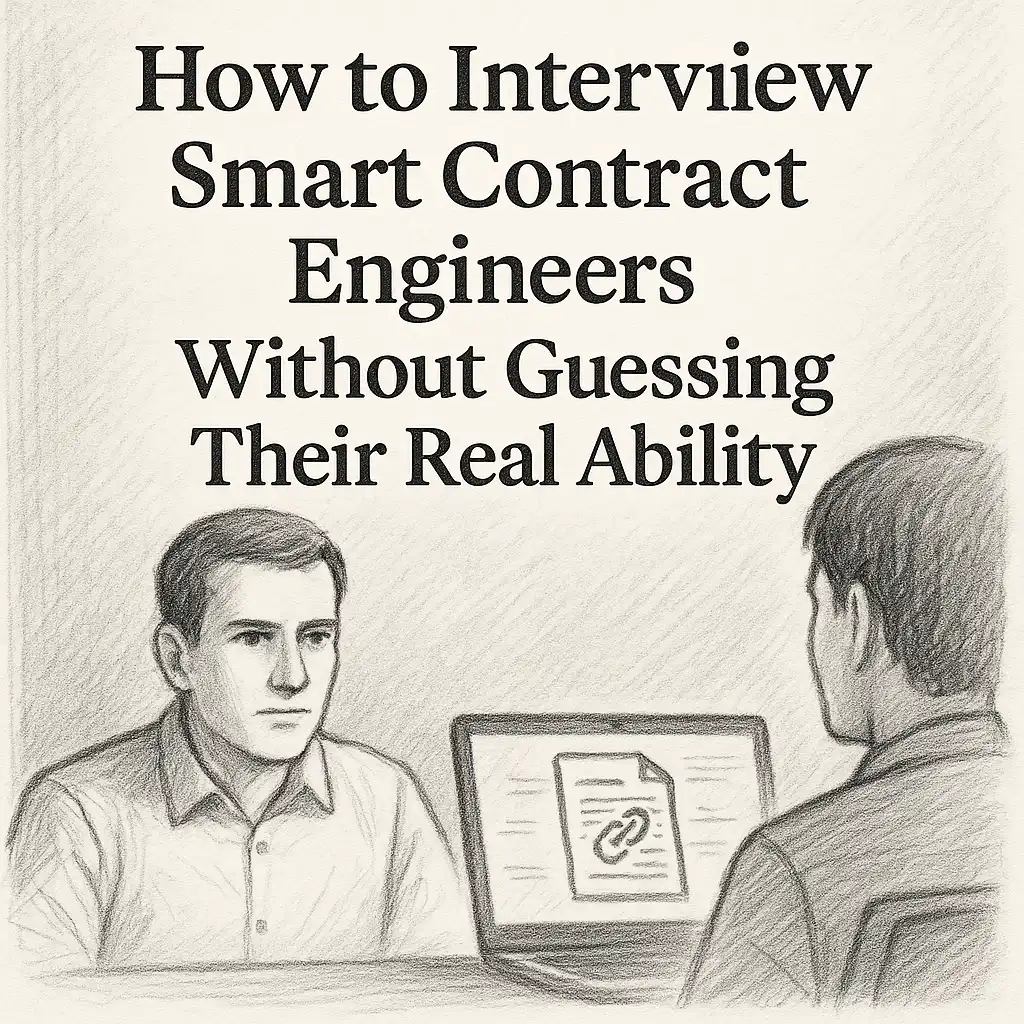
A 15-minute Nethermind technical interview is usually not a deep knowledge round. It is more often a clarity, reasoning, and judgment check for candidates applying to internship, junior, or early-career...
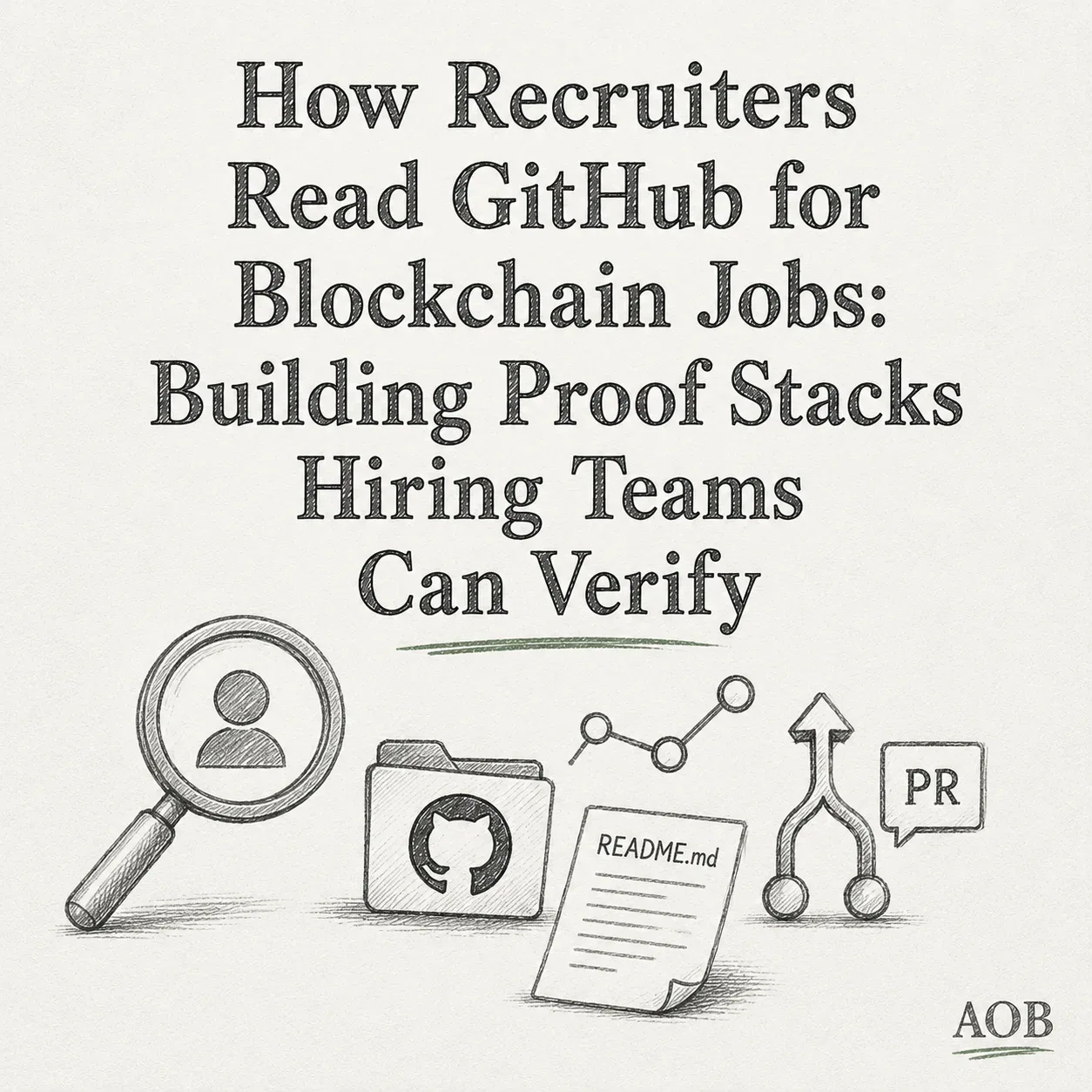
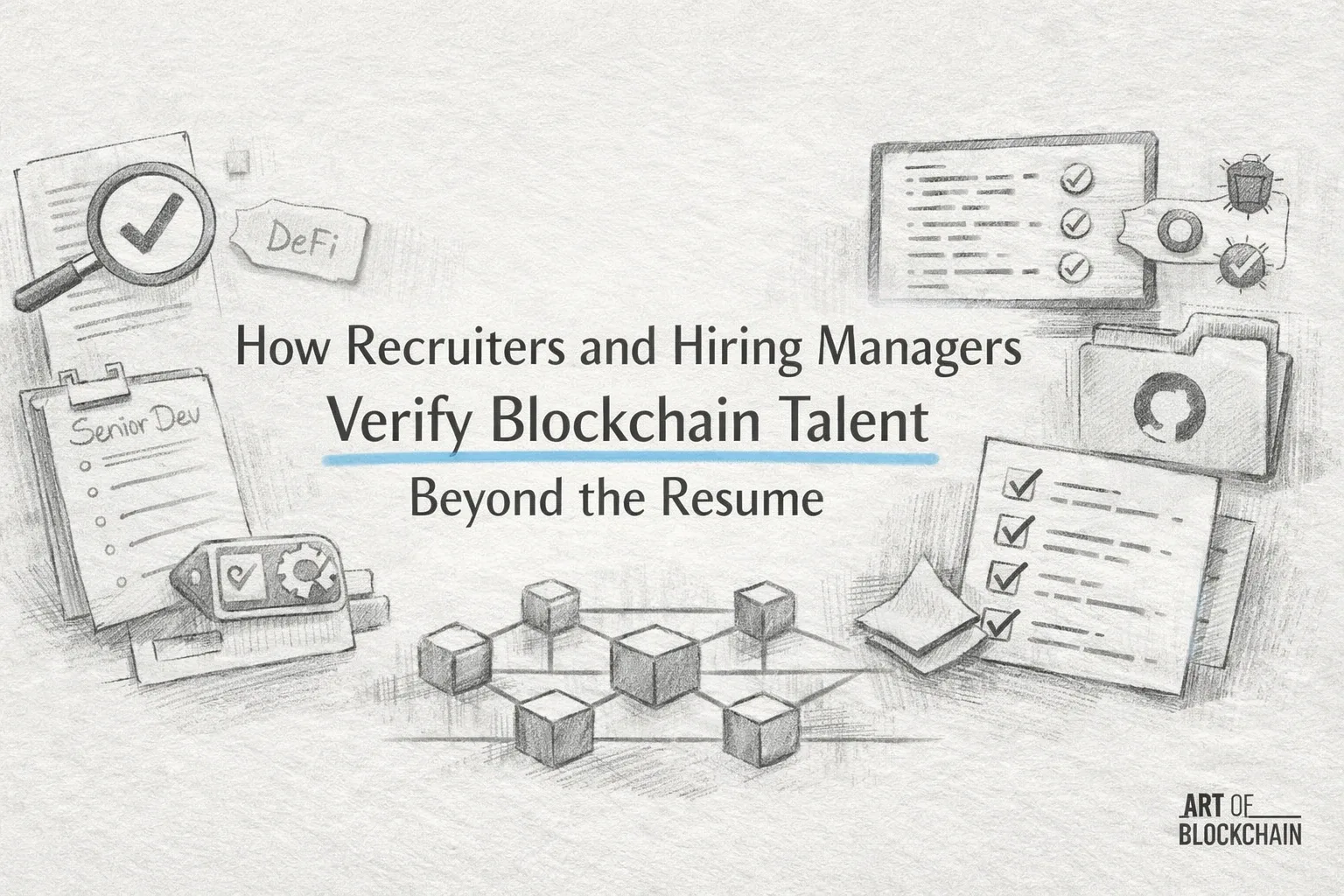
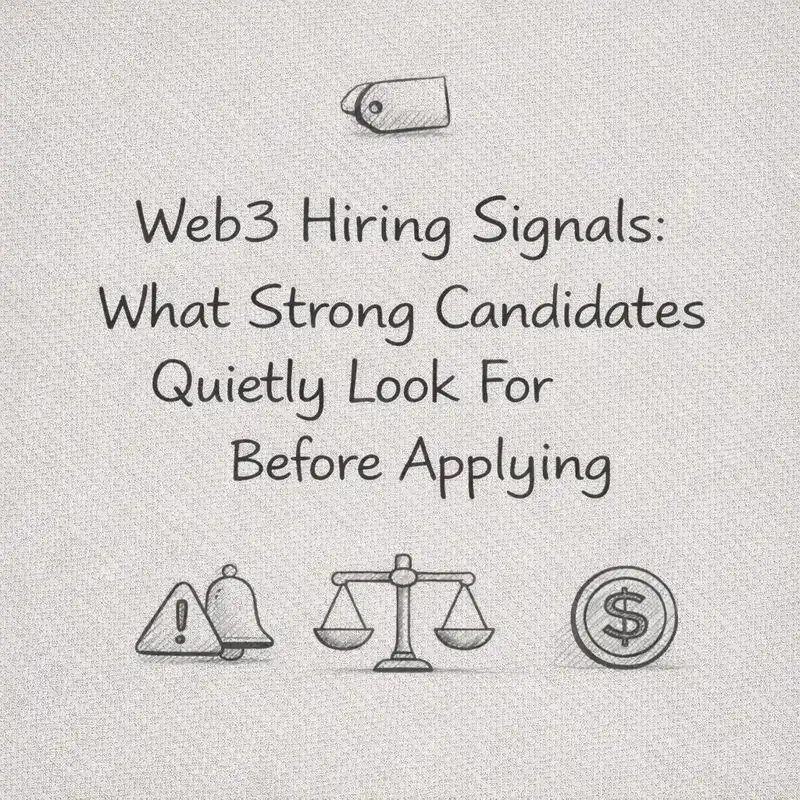
If you want to get shortlisted in Web3, it helps to understand what hiring teams quietly check before they trust a profile.
This is not only about resumes anymore.It is...
Editor’s note: Originally published in 2025, this guide has been updated to reflect current smart contract hiring signals, proof-heavy portfolios, and what hiring managers actually trust in 2026.
Most smart...
Zero-knowledge proofs are no longer a niche concept that only cryptography researchers care about. In blockchain, they now show up in rollups, privacy-preserving systems, identity verification, and proof-based infrastructure. That...
Remote Web3 hiring looks alive again — but if you’re applying across borders (India → US, EU → US, LATAM → US, or simply “global remote”), it can feel like...
A common Web3 hiring problem: many applicants, low fitIn Web3 hiring, a job post can get a lot of interest. Applications come in fast. But the hiring team still feels...
A Framework for Reasoning, Safety, and System Design**Most smart contract portfolios fail for a simple reason: they look like a collection of projects instead of a window into how a...
There is one moment in almost every Solidity interview when everything becomes quiet. You finish describing your solution, and the interviewer asks:“Why did you design it this way?”This one question...
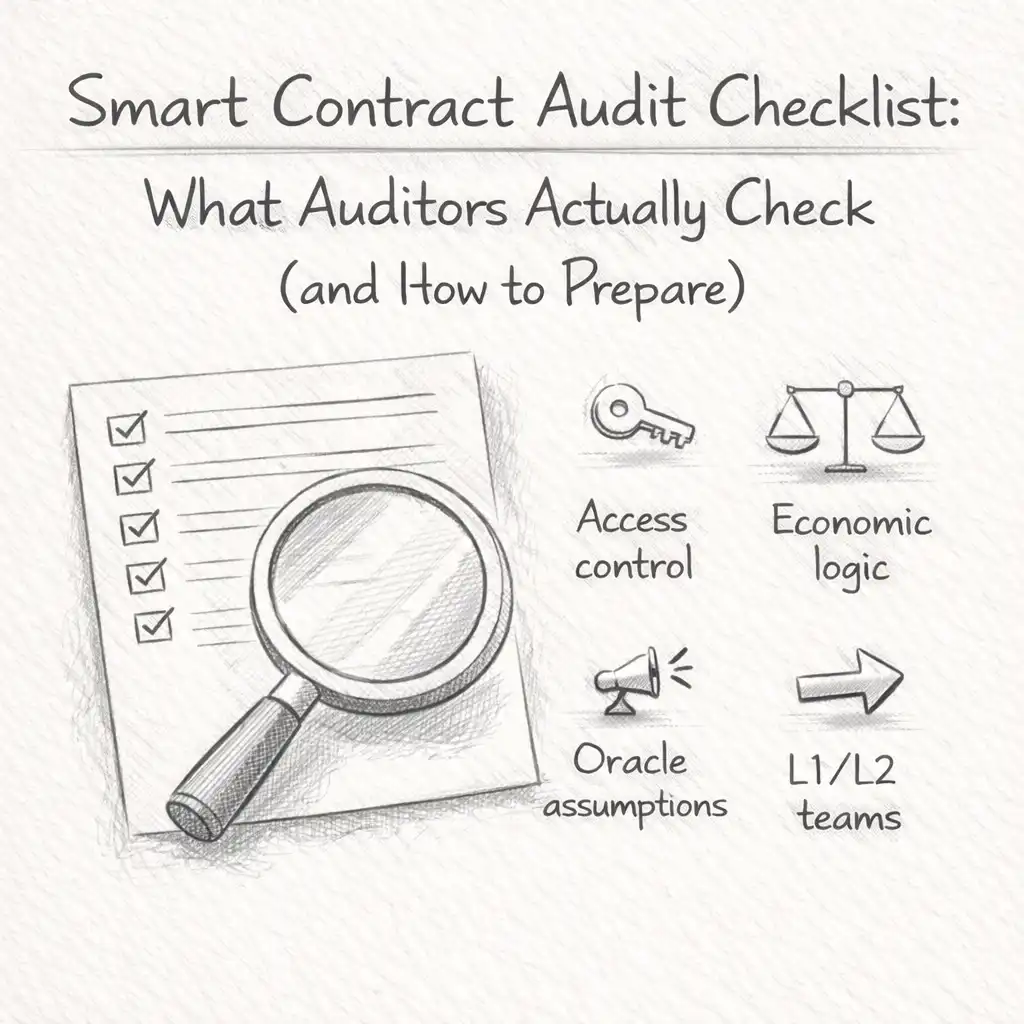
Disclaimer: This guide covers debugging patterns commonly evaluated in Solidity interviews and early-career smart contract roles. It is not a complete security audit methodology. Different teams and advanced audit firms...
INTRODUCTIONA New Epoch for Blockchain ProfessionalsFor years, “blockchain career” meant shipping Solidity code and squeezing gas costs. In 2025, that definition no longer fits. Google’s Willow Chip—a purpose-built accelerator for...