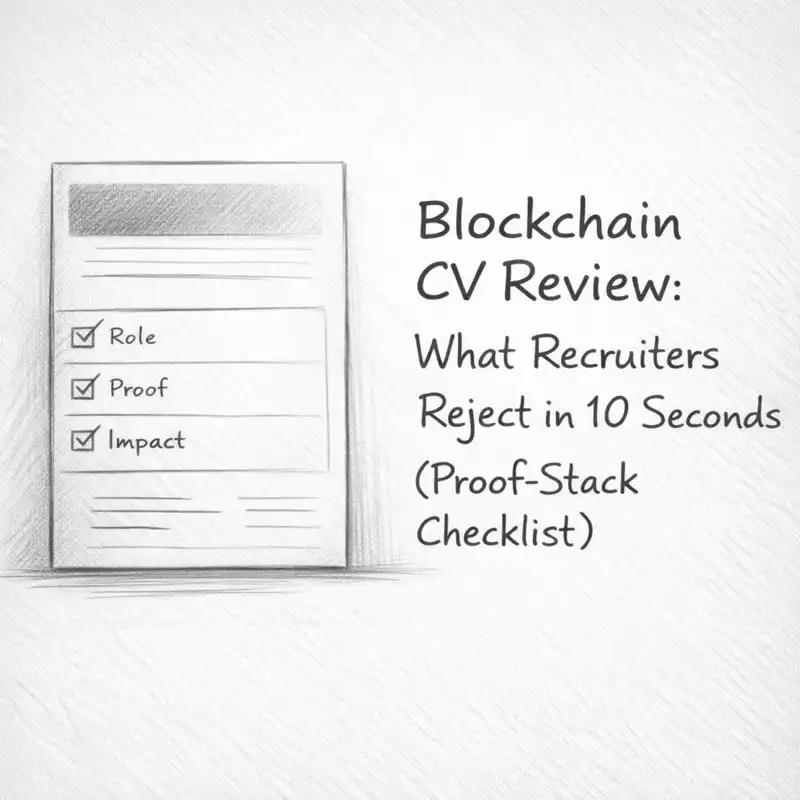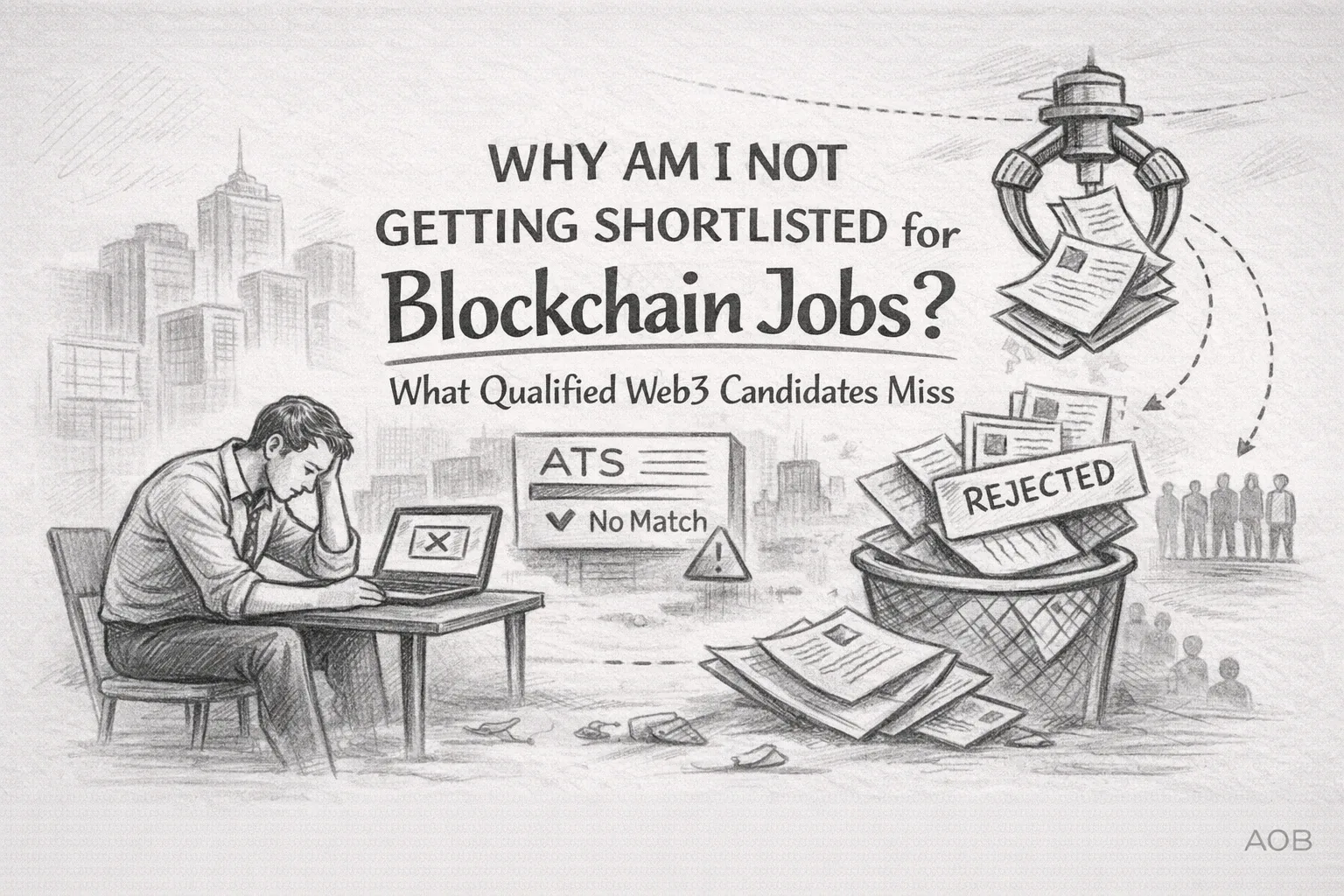

If you’re applying for Web3 roles and getting silence, it’s easy to assume your skills are the problem.
Often, it’s not. It’s your CV’s first 10 seconds.
Recruiters and hiring...
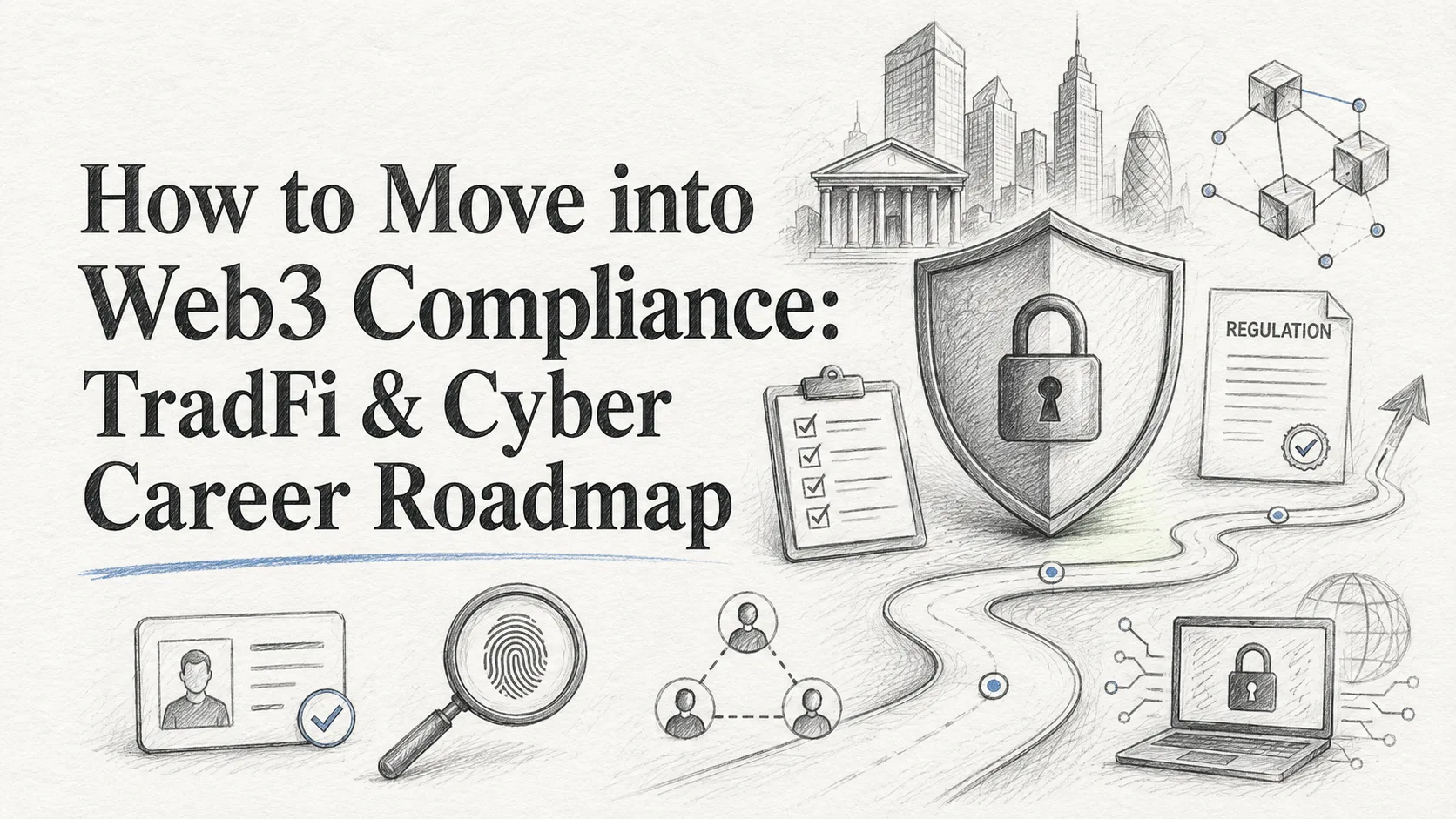
Updated for 2026: This guide focuses on how hiring teams evaluate non-developer blockchain career paths across Web3 compliance, AML/KYC, blockchain forensics, RWA tokenization, stablecoin operations, CBDC-adjacent work, and proof-based hiring...
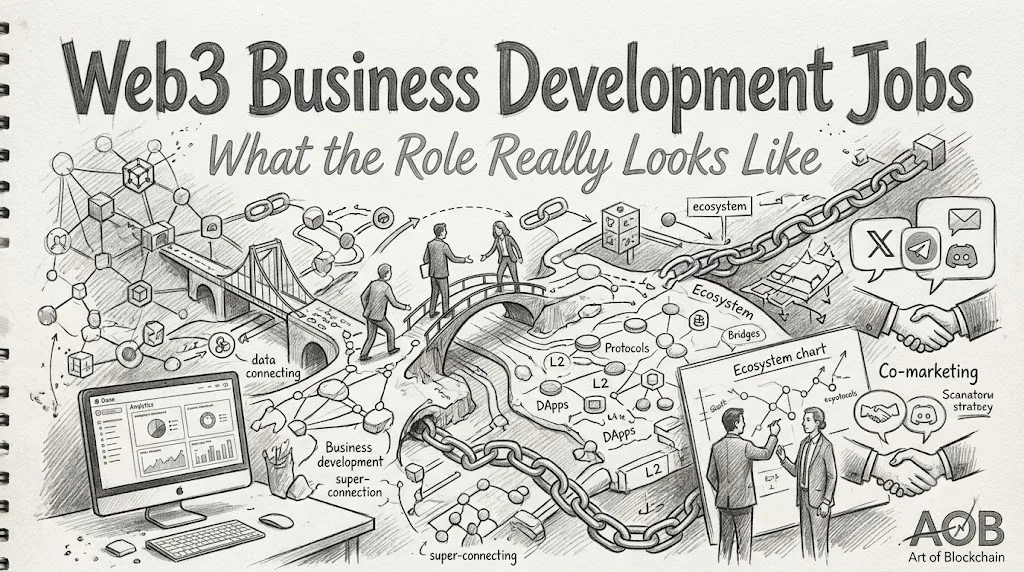
If you’ve ever read a blockchain job description and felt unsure what the role actually involves, you’re not alone.
Across smart contract, protocol, infra, and security roles, job descriptions often...
Updated for 2026: This guide was originally written around 2025 blockchain hiring patterns. It has now been updated for 2026 to reflect how recruiters, founders, and hiring teams increasingly read...
A Web3 community manager job is no longer only about keeping Discord active, replying in Telegram, running quests, or posting campaign updates.
Hiring teams now want to know whether a...
A GitHub profile does not create hiring signal by default.
In blockchain and Web3 hiring, many candidates can share a GitHub link. Far fewer have a GitHub that actually helps...
This page is for Web3 founders, recruiters, and hiring teams whose job description is attracting weak-fit applicants, confusing serious candidates, or going stale after posting.
The issue may not be...
Updated for 2026: This guide focuses on choosing the right blockchain engineering track, building a recruiter-readable proof pack, and preparing for early hiring screens where teams check GitHub, tests, README...
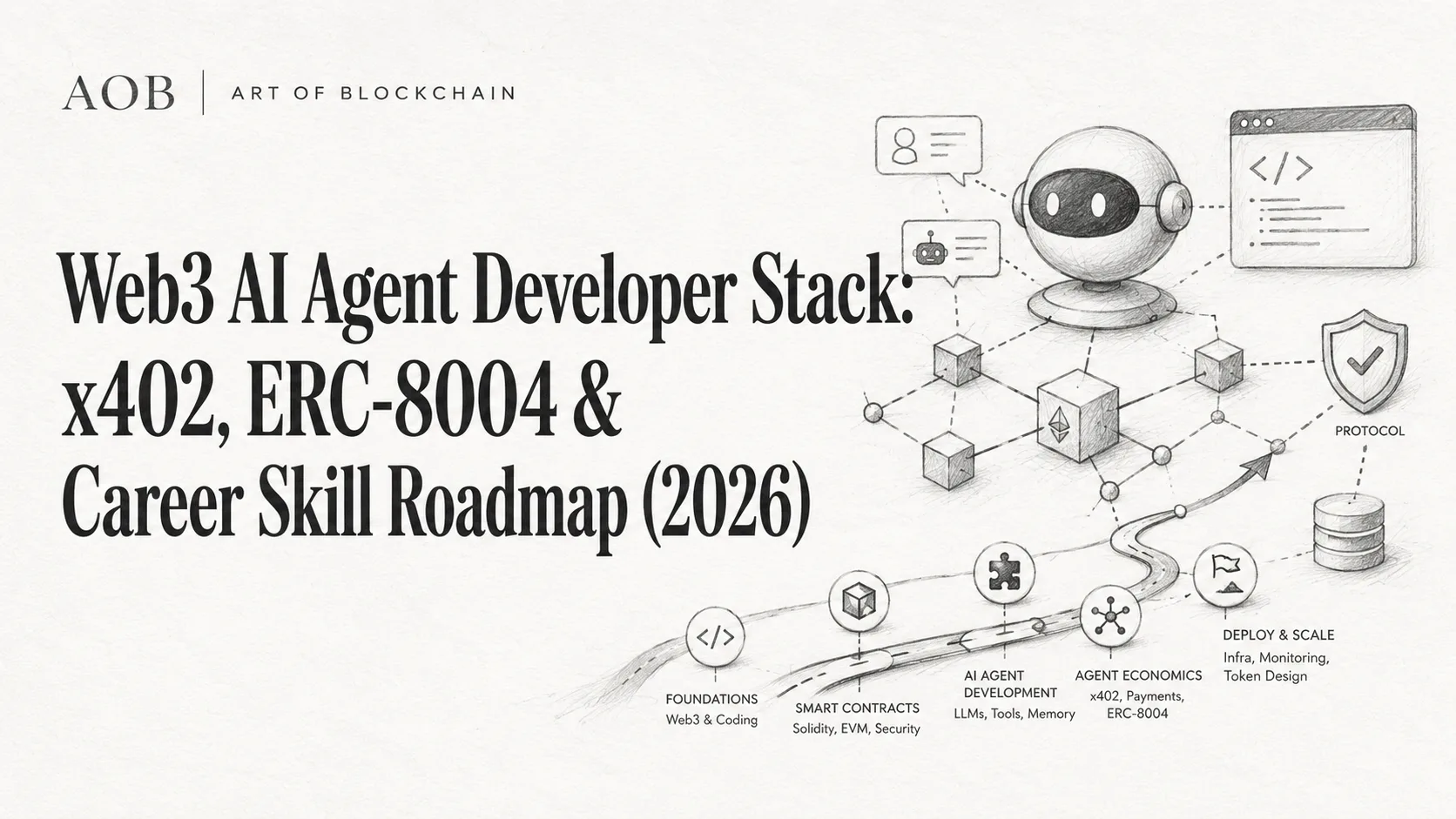
This page explains what x402, agentic wallets, AP2, MCP/A2A, and ERC-8004 mean for agentic Web3 careers. If you are trying to understand where this stack touches real jobs, hiring, and...
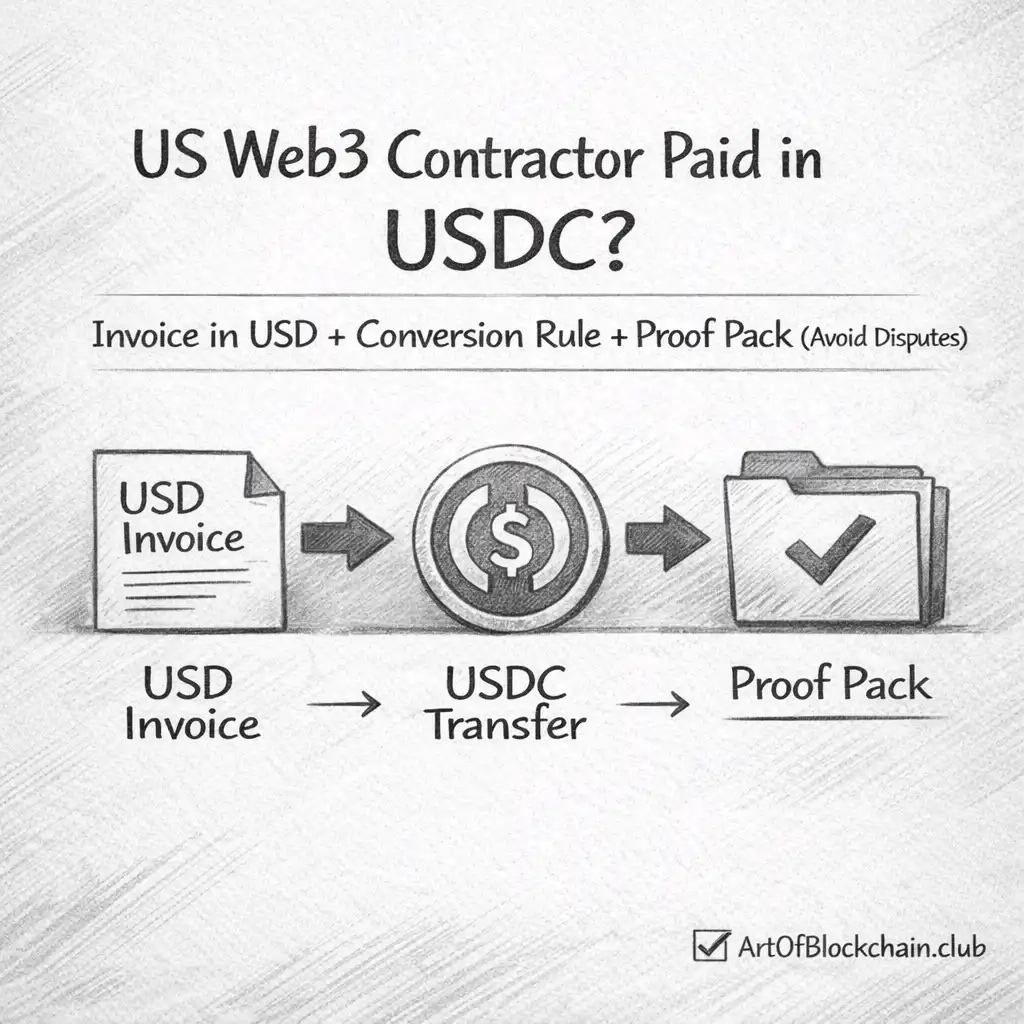
Not legal or tax advice. This is operational guidance for contractors to reduce disputes and keep clean records.
Getting paid in stablecoins for international contractor work sounds simple until the...
If you’re watching the Web3 job market in 2026, the answer seems confusing.
On one side, hiring clearly looks more active than it did during the downturn. More roles are...
AOB’s analysis of the 2025 Web3 hiring reset, the rise of stricter hiring filters, and why readable proof became more important than broad Web3 interest.
Editor’s note — updated May...
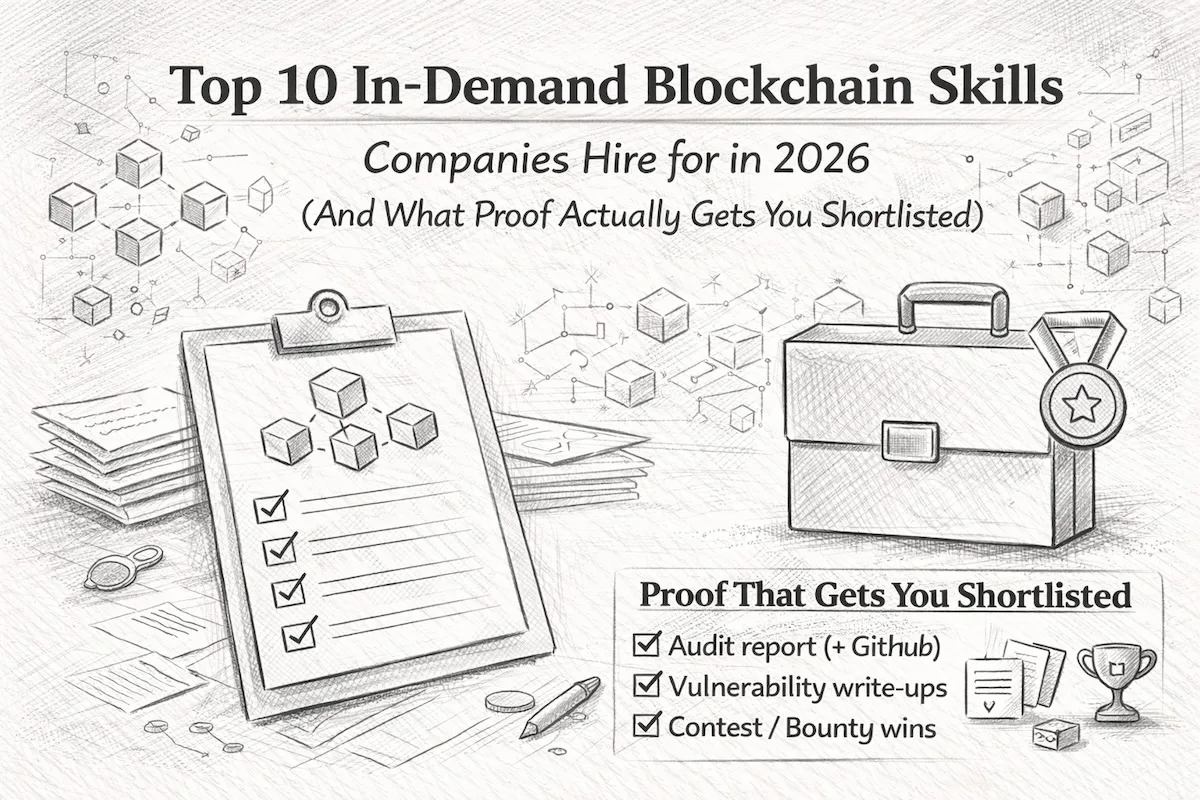
Editor’s note: This guide was originally published for 2025 and has been updated for 2026 hiring patterns. The page now focuses on blockchain skill areas, associated Web3 job roles, and...
Editor’s note: This article was originally published for 2025 and has now been updated for 2026. The guide now focuses on NFT careers after the hype, including marketplace infrastructure, Web3...
Hiring teams do not trust “AI x Web3” claims by default.
Not because the category is fake.
Because the proof is often unreadable.
A candidate may say they worked on...
Updated for 2026 Web3 hiring signals: this guide focuses on how founders, recruiters, and hiring managers can evaluate blockchain candidates through visible proof before relying on interviews alone.
Most founders...
If you are trying to transition from Web2 to Web3 jobs, the hardest part is usually not learning blockchain from zero. It is figuring out which Web3 role fits your...
Most Web3 resumes do not fail because the candidate lacks skill. They fail because the role story breaks across four surfaces: CV, GitHub, LinkedIn, and portfolio.
A recruiter reads “Solidity...
If you are a backend or API developer trying to move from Web2 to Web3, the problem is usually not that your skills are irrelevant. The problem is that your...
Zero-knowledge proofs are no longer just a cryptography topic discussed inside research circles. They now shape real hiring demand across blockchain infrastructure, rollups, privacy systems, protocol engineering, and advanced smart...