Welcome to Art Of Blockchain Club
Elevate your Web3 career! Dive into an exclusive forum to build skill-verifiable positioning. Discover a vetted job board, expert CV reviews, & full-cycle staffing for employers.
Elevate your Web3 career! Dive into an exclusive forum to build skill-verifiable positioning. Discover a vetted job board, expert CV reviews, & full-cycle staffing for employers.
Premium Web3 portfolio reviews to clear shortlist blockers, expert job description audits, and vetted matchmaking for blockchain developers and non-tech leads.
ArtOfBlockchain.club is a discussion-first community for blockchain jobs, Web3 careers, interview prep, and proof-based hiring insights.
Oct
31
Saturday
11:00 AM
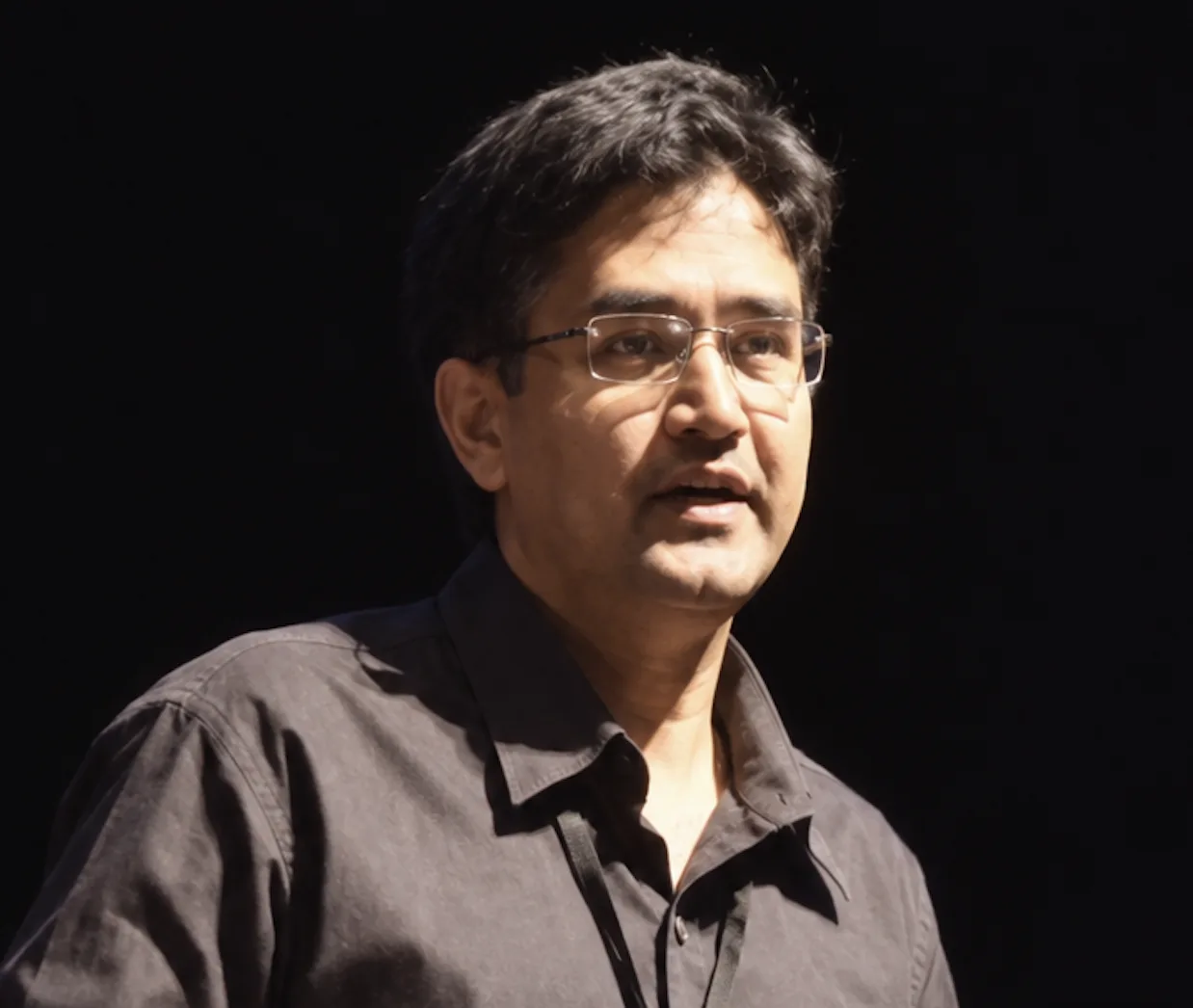
Hosted by Shubhada Pande, Shantanu Sharma and Raajeev Anand
$149.00
One-time purchase
For when the audit isn’t enough: a full rewrite, built around your proof. CV...

$39.00
One-time purchase
You’ve built things. Your CV doesn’t show it. Deployed contracts, testnet work, audits, a...

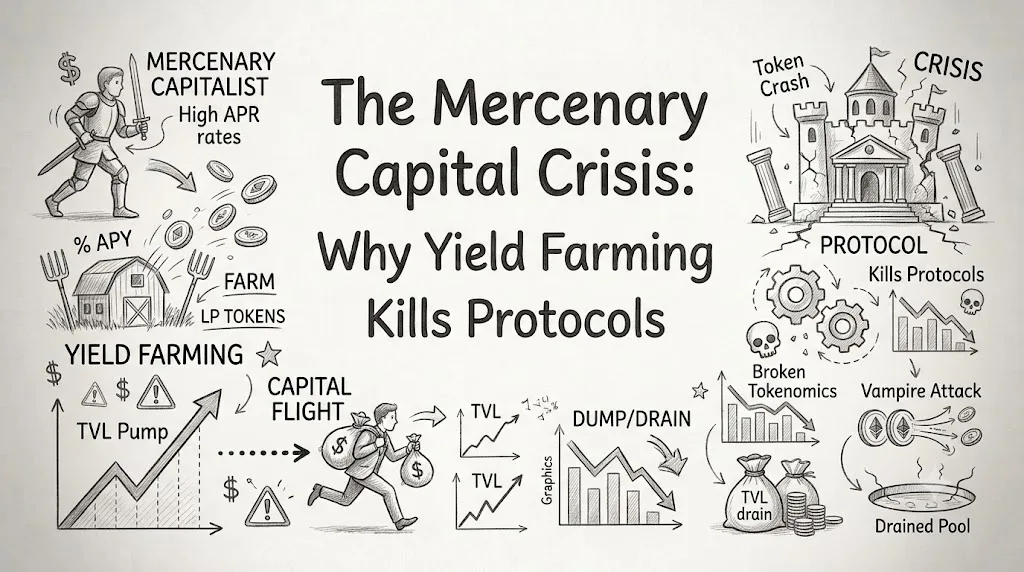
We launched our DeFi token three months ago, and after the airdrop hype faded, our active wallets dropped from 9K to 2.8K. Discord is quieter, yet treasury inflows from staking...

Alchemy • Full Time
Kamino • Full Time
Bitstack • Full Time
Tradeify (Tradeify 247) • Full Time
Pace • Full Time

Poll: What's safest for sharing portfolio?
Hi all, I'm Anket - crypto researcher from Lucknow tracking BTC derivatives & infra narratives (non-dev background). Currently applying for Research Analyst roles. Question: For founders/recruiters, what is the safest...
The Web3 BD Cheat Sheet Ecosystem Metrics, Token...
Traditional B2B SaaS sales tactics fail in Web3 because you cannot sell an open-source protocol like a software license. The Web3 BD Cheat Sheet by Shubhada Pande (Founder, ArtOfBlockchain.club) translates...

Practice play. This does not enter the leaderboard.
Press A, B, C, D to answer

Hi, I am
@zany-yogi
About me: I am a Software Engineer with 4 years of experience specializing in frontend development, with expertise in React.js, Next.js, TypeScript, JavaScript, and modern web technologies. I have built scalable, high-performance applications, contributed to AI-driven enterprise platforms,
Interests: Career Switching, Job Search, Freelancing

Hi, I am
@agrajyadav
About me: Hi, I’m Agraj, a Frontend Developer with 4.6 years of experience in React, Next.js, TypeScript, and JavaScript. I build reusable UI components, data-driven interfaces, and performant applications, with additional experience in Node.js, GraphQL, REST APIs, and AWS.
Interests: Job Search, Interview Prep, Freelancing
Hi, I am
@abhinav
About me: I’m a Senior Frontend Engineer with 12+ years of experience in React, Angular, TypeScript, and scalable web applications. I enjoy solving challenging problems, learning new technologies, and building products that make a real impact. Always happy to connect and discuss technology
Interests: Career Switching, Job Search, Interview Prep

Hi, I am
@bhavika
About me: I am a frontend developer at Jio Platforms Limited. I have expertise in React.js, Angular, TypeScript, JavaScript, Tailwind, Zustand, HTML and CSS.
Interests: Career Switching, Job Search, Freelancing

Hi, I am
@uttamjain
About me: Frontend Developer with 7+ years of experience delivering scalable React and TypeScript applications for ecommerce, retail, and CMS platforms.
Interests: Career Switching, Job Search, Freelancing
Hi, I am
@sagarchoudhary96
About me: I'm a software Engineer based in Dubai, UAE with 8+ years of experience and 2x Founding Engineer with U.S Startups. I specialize in developing high-performance and scalable solutions for web and mobile.
Interests: Career Switching, Job Search, Freelancing

Hi, I am
@akash
About me: Experienced Blockhain Developer with expertise in RWA, ERC4337 and defi protocols.
Interests: Career Switching, Job Search, Freelancing, Smart Contracts, Security Audits, DeFi, DAOs
Hi, I am
@kapil-dev
About me: I have 2 years of professional experience in Web3, specializing in Rust, Solana, and blockchain backend infrastructure with experience in EVM L1, L2, Stellar and aptos.
Interests: Career Switching, Freelancing, Smart Contracts, Security Audits, DeFi, DAOs